Roof age is not roof condition
The year on a permit is easy to find and easy to model. It is also one of the noisiest ways to judge a roof. Here is what it misses, and what to look at instead.
Why age is everywhere
Roof age shows up in underwriting rules, maintenance plans and replacement budgets for a simple reason: it is cheap to obtain. A permit date or the year a house was built is a single field in a database, available for every property at once.
But age is a proxy. It stands in for the thing everyone actually cares about — how well this roof will keep water out over the next few years — and the gap between the proxy and the real thing is wide.
What age misses
Two roofs installed in the same year can end up in very different places. The usual reasons:
- Material. Asphalt shingle, concrete tile, clay tile, metal and flat membranes age at different rates and fail in different ways.
- Installation. Ventilation, flashing details and fastening quality matter as much as the product.
- Exposure. Sun, shade, overhanging trees and coastal air all change how fast a surface wears.
- Storm history. A single hail or wind event can do more than a decade of weather.
- Maintenance. Cleared valleys and repaired flashing extend a roof’s life; neglect shortens it.
Records also drift from reality: re‑roofs go unpermitted, partial repairs aren’t recorded, and “year built” says nothing about a roof replaced since.

An old roof that has been cared for can outlast a new one that hasn’t.
What condition captures
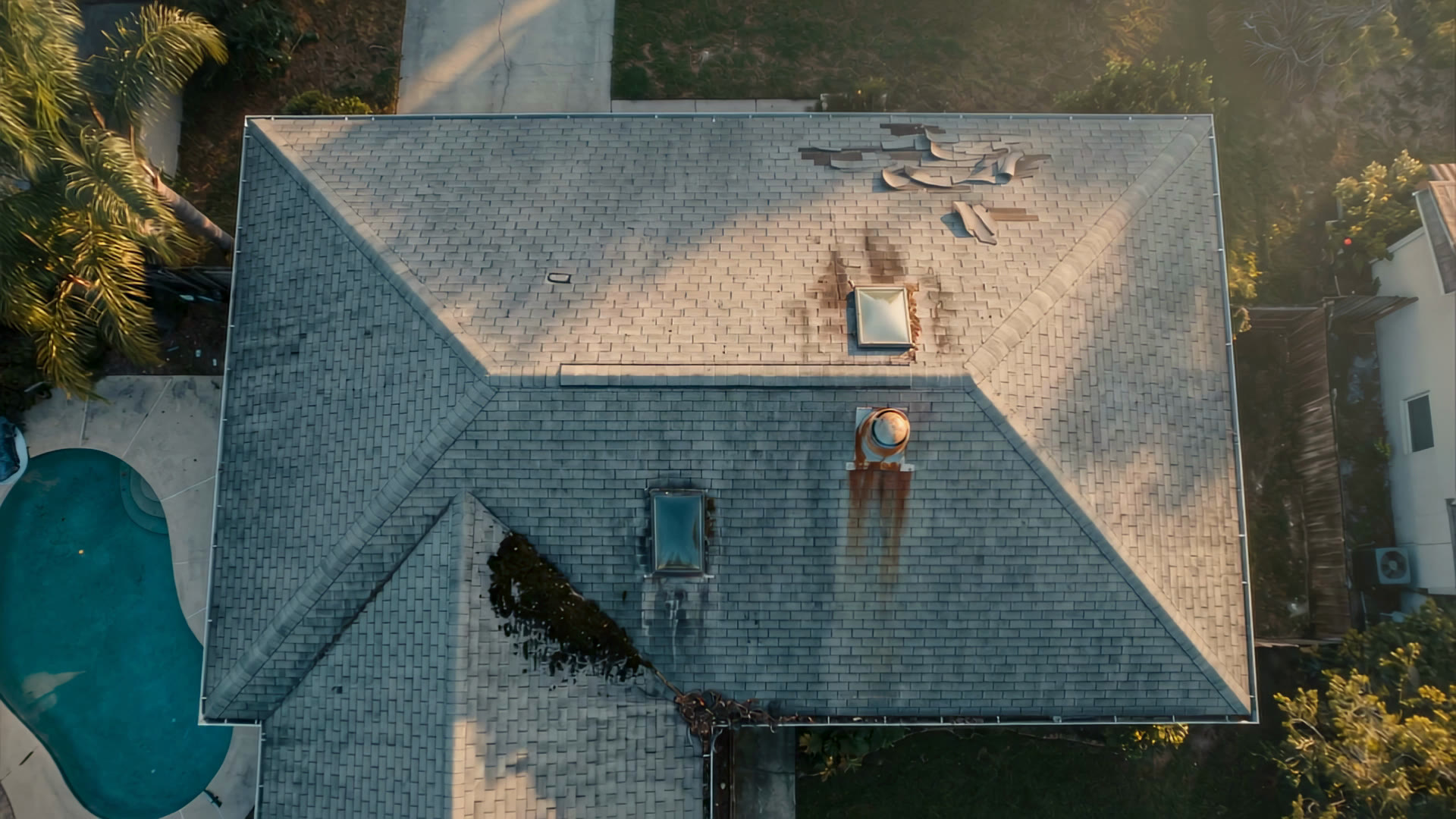
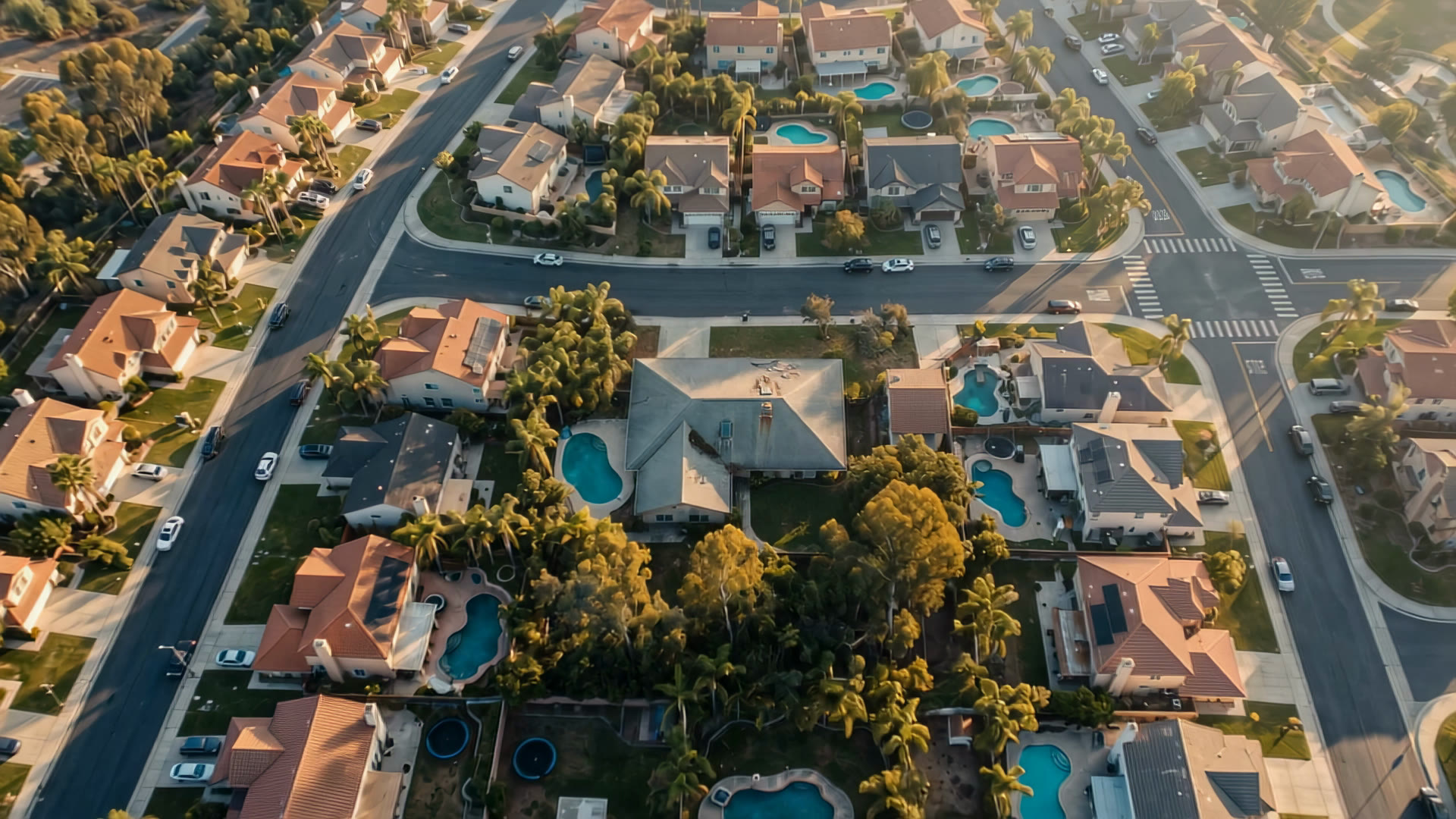
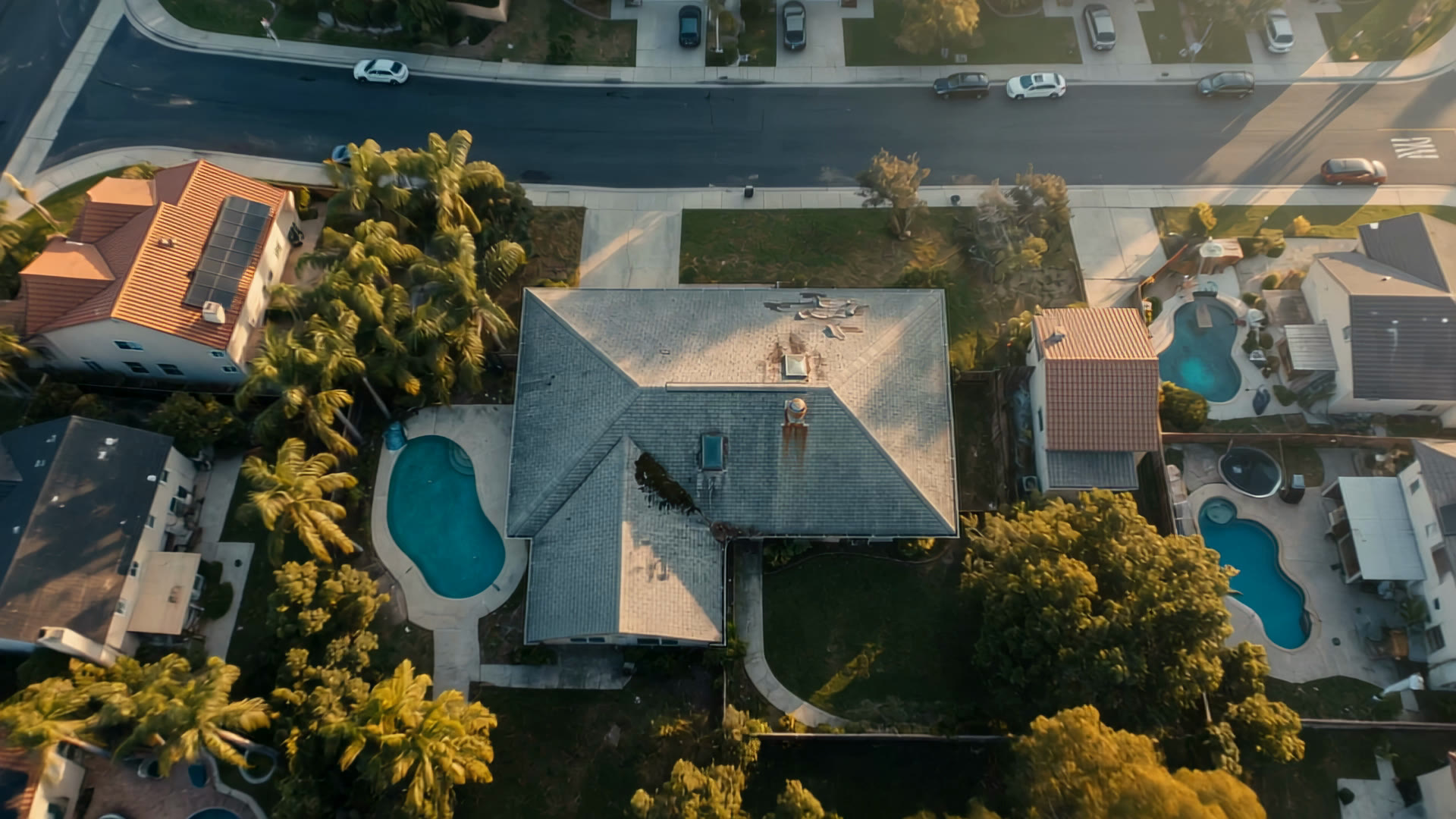
A condition assessment looks at the roof itself. From imagery that means the observable surface: missing or displaced covering, staining, debris, ponding, signs of repair — and, with repeat imagery, how all of that is changing.
These are the bands we use in ORA. The exact thresholds matter less than having bands at all: they turn a continuous score into decisions a team can make consistently.
Use both — in the right order
Age isn’t useless. It is a reasonable prior — a starting expectation before you’ve looked. Condition is the evidence that should move you off that prior.
- Where you have a recent condition assessment, let it lead and use age as context.
- Where condition and age disagree, look again — that disagreement is often where the risk (or the opportunity) is.
- Where you only have age, treat it as a reason to look, not a conclusion.
Reading a condition score
Three things make a score trustworthy enough to act on: recency (when was the image taken?), confidence (how sure is the model about each finding?) and evidence (can you see what the score is based on?). A score you can click into — down to a pin on the roof — is a score people will actually use.
Age will always be in the database. The roofs worth worrying about are the ones where the picture tells a different story.
Price the roof, not the permit.
Observed condition for every roof in your book, refreshed after every pass.
Keep reading